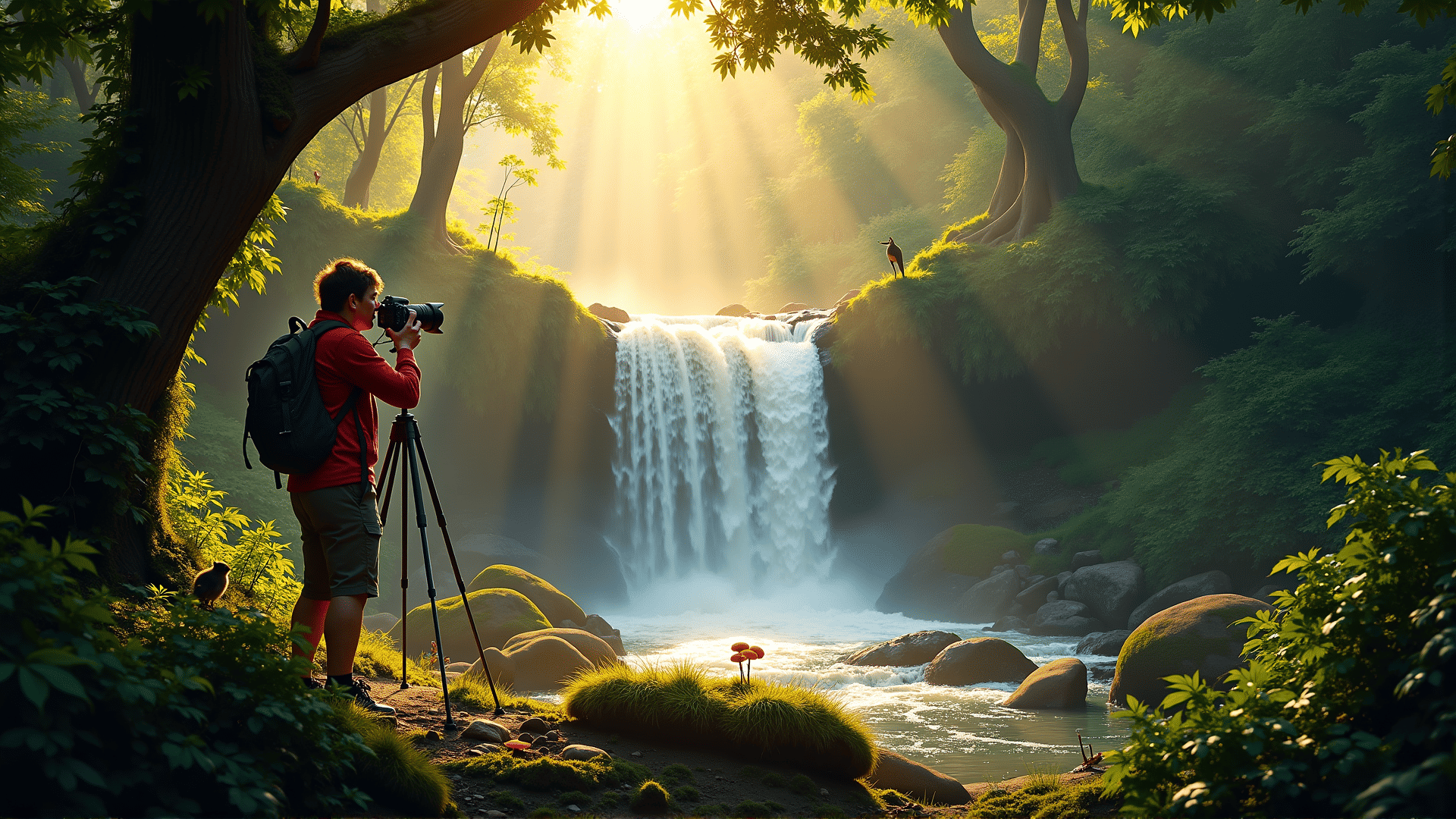
The allure of nature photography lies in its ability to capture the raw beauty of our world. This form of art provides photographers with an enriched experience, allowing them to discover majestic landscapes, intricate details of flora and fauna, and the ever-changing play of light. Understanding the elements that contribute to a captivating photograph can transform a simple outing into a magical endeavor.
One of the key components in nature photography is timing, particularly the significance of the "golden hour." This term refers to the period shortly after sunrise or before sunset, when the sun casts a softer, warmer light that adds depth and emotion to photographs. The length of shadows and the golden hue create an ethereal atmosphere, making it an ideal time to capture landscapes and wildlife in their most flattering light.
Moreover, framing plays a crucial role in highlighting the subject within its natural environment. The use of foreground elements can add context and depth, drawing the viewer into the scene. Including elements like rocks, flowers, or water bodies can help to create a sense of scale and perspective. Leading lines, such as paths or flowing rivers, guide the viewer's eye through the composition, offering a path of visual interest.
Understanding the behavior of wildlife also enhances the quality of nature photography. Patience is vital; waiting for that perfect moment when an animal displays its natural behavior or when a bird takes flight can result in a breathtaking image. Observing and respecting wildlife from a distance ensures their natural activities are undisturbed, leading to more authentic and impressive shots.
Nature photography also demands attentiveness to weather conditions. Cloudy days might be perceived as unideal for landscape photography; however, they offer diffused light that can prevent harsh shadows and balanced exposure. Stormy skies serve as dramatic backdrops, enhancing the mood and impact of a photograph.
Exploring different perspectives can yield unique results. Experimenting with angles, such as capturing a scene from ground level or from above, can produce engaging compositions. This deviation from eye-level viewpoints often reveals surprising and captivating details that might otherwise go unnoticed.
Incorporating natural elements like water and reflections can add an entirely new dimension to nature photography. Calm water reflects landscapes, creating symmetrical compositions that are visually appealing and convey a sense of tranquility. Experimenting with long exposure techniques to capture smooth and silky water effects can add a dreamlike quality to the images.
It's essential to regard nature with respect and admiration while practicing photography. Ensuring that we leave no trace, protecting habitats, and adhering to guidelines for wildlife protection are vital for preserving these picturesque environments. This respect for nature not only benefices the environments we photograph but also enriches our experience and connection with the wild.
Nature photography offers endless opportunities for creativity, storytelling, and adventure. By understanding and utilizing elements like lighting, framing, wildlife behavior, weather, and perspective, photographers can capture the stunning beauty of nature in ways that resonate with viewers and inspire a deeper appreciation for the world around us.