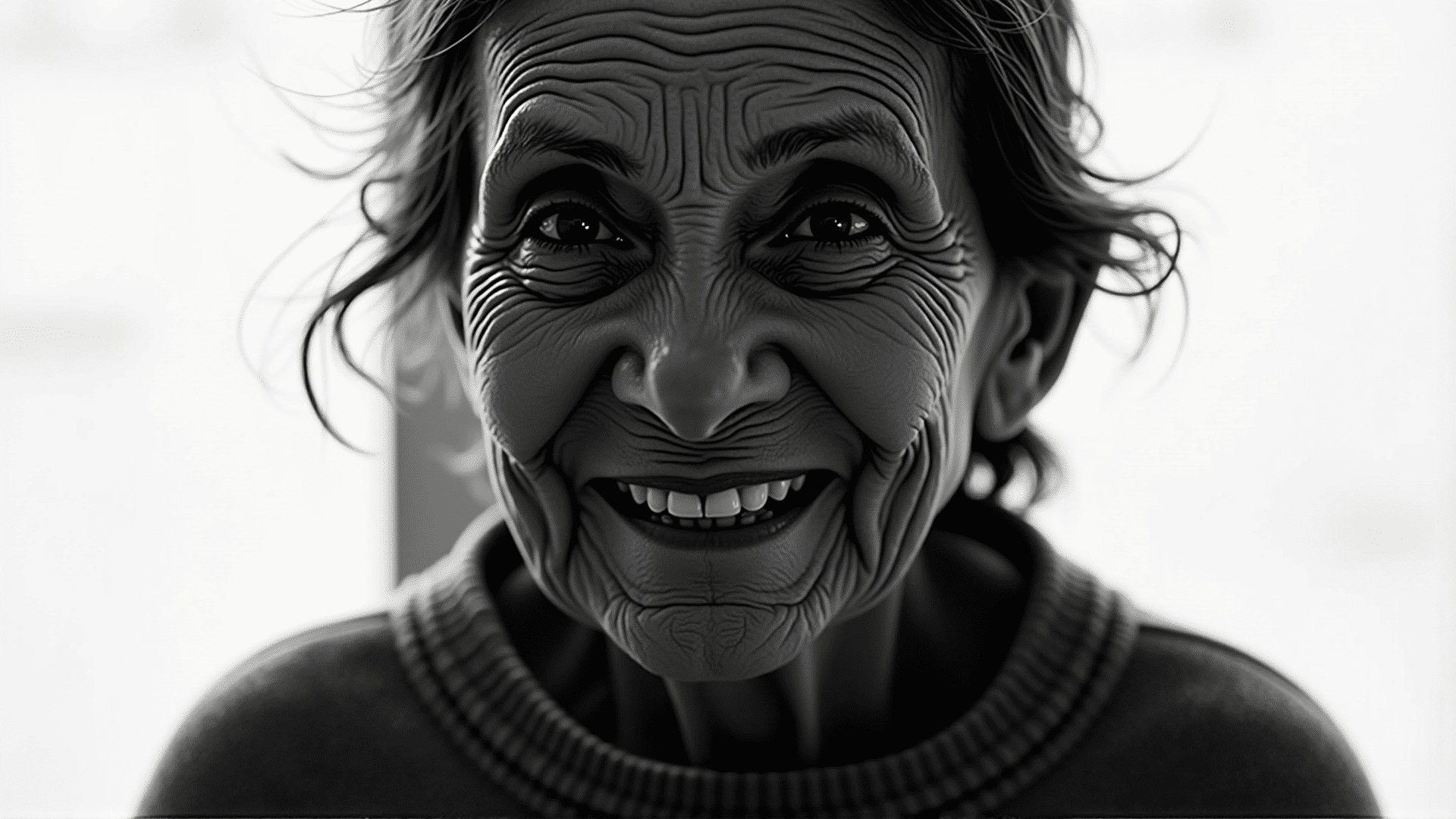
Delving into the world of portrait photography is like setting foot on an artistic journey filled with endless possibilities and creative discoveries. At its core, portrait photography captures the essence of individuals, revealing stories, emotions, and personalities through a single frame. To create stunning portraits, it is essential to find your unique style, which can be a defining factor in your work. Here, we explore techniques that can help you uncover and enhance your distinctive approach to portrait photography.
Understanding Light and Shadows
Light is arguably the most critical element in photography. Mastering the manipulation of light and shadow can dramatically influence the mood and tone of your portraits. Natural light offers a gentle and soft touch, perfect for creating warm, inviting images. Experimenting with shadows can add depth and dimension, creating a more mysterious and enigmatic look. Whether you prefer a natural look or something more dramatic, understanding how light interacts with your subject is vital.
Explore Different Angles and Perspectives
One of the best ways to add creativity to your portraits is by varying the angles and perspectives. Traditional front-facing shots are classic, but experimenting with different perspectives can yield unexpected and fascinating results. Try shooting from above, below, or at a wide-angle to add dynamism. Each angle can tell a different story and give a fresh perspective on your subject's personality and surroundings.
Focus on Composition
Composition is about how the elements in a frame are arranged. Employing techniques such as the rule of thirds can enhance the visual appeal of your portraits. Incorporate leading lines, textures, and frames within a frame to guide the viewer's eye and add layers of interest. A strong composition can make a portrait more visually engaging and help convey the essence of your subject more effectively.
Capturing Emotion and Expression
The magic of portrait photography often lies in its ability to capture genuine emotions and expressions. Building rapport with your subject is crucial to achieving this. Create a comfortable environment where they feel free to express themselves. Candid shots often convey the truest emotions. Patience and active listening during a photoshoot can help you seize moments that reflect authentic emotions, adding an intimate dimension to your portraits.
Post-Processing Techniques
While in-camera skills are vital, post-processing is equally important in refining your vision. Editing can enhance the mood and tone of your portraits, allowing you to emphasize certain features or attributes. Experiment with color grading, contrast, and exposure settings to create a cohesive look that aligns with your artistic vision. Remember, subtlety is key; the goal is to complement your subject, not overshadow them.
Defining Your Style
Defining one's style is an evolving process. It involves continuous learning, experimenting, and an openness to growth. Study other photographers' work for inspiration but strive to add your personal fingerprint to your portraits. Your style reflects your perspective and creativity, setting your work apart from others. Embrace what feels authentic to you, and let your intuition guide you.
Conclusion
Portrait photography is an art form that marries technical skill with personal expression. By exploring various techniques and approaches, you can cultivate a unique style that resonates with both you and your audience. Remember, the journey is a deeply personal one, and the most stunning portraits are those that capture the authentic essence of both the photographer and the subject. Keep experimenting, learning, and above all, keep capturing the beauty of the human spirit.