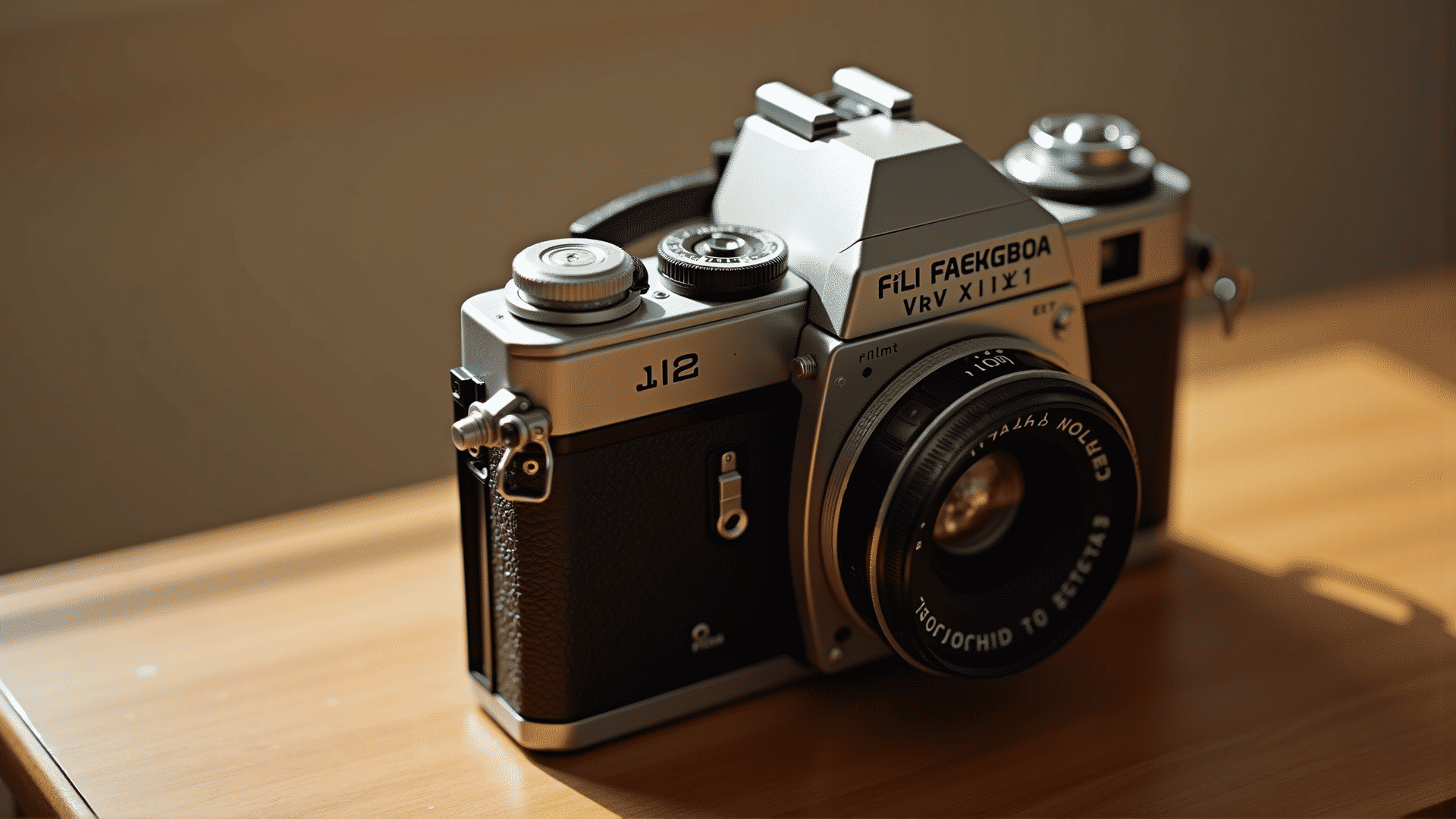
Photography is a captivating art form that allows individuals to capture moments, convey stories, and express creativity. To elevate your photography skills, understanding the basics is essential. This guide explores key tips and techniques to strengthen your abilities in this exciting field.
Understanding Your Camera Settings
The first step in mastering photography is to become well-acquainted with your camera. Begin by learning the core settings: aperture, shutter speed, and ISO. These elements form the foundation of the exposure triangle.
-
Aperture: Controls the amount of light entering the lens. A lower f-stop (e.g., f/2.8) results in a shallow depth of field, perfect for portrait photography, while a higher f-stop (e.g., f/16) is ideal for landscapes, offering greater sharpness from foreground to background.
-
Shutter Speed: Determines how long the camera's shutter remains open. A faster shutter speed (e.g., 1/1000) freezes motion, beneficial for action shots, whereas a slower speed (e.g., 1/30) captures movement with a pleasing blur, ideal for artistic effects.
-
ISO: Adjusts the camera's sensitivity to light. A lower ISO (e.g., 100) creates a cleaner image with minimal noise, suitable for bright environments. In contrast, higher ISO settings (e.g., 3200) assist in low-light conditions but may introduce graininess.
Composition Techniques
Composition plays a crucial role in transforming ordinary photographs into exceptional ones. Applying techniques such as the rule of thirds, leading lines, and framing can significantly enhance your images.
-
Rule of Thirds: Divide the frame into nine equal sections. Aligning your subject along these lines or their intersections can create a balanced and engaging composition.
-
Leading Lines: Utilize natural lines within the scene to guide the viewer’s eye towards the main subject, adding depth and interest to your photograph.
-
Framing: Use elements in the environment, like trees or windows, to surround your subject. This adds context and draws attention to the focal point.
Lighting and Photography
Lighting is paramount in photography. Understanding natural and artificial light can dramatically improve the quality of your captures.
-
Golden Hour: The period shortly after sunrise and before sunset is known for its soft, warm tones, which can produce stunning results.
-
Diffused Light: On overcast days or when using reflectors, light is evenly spread, which reduces harsh shadows, making it excellent for portraits.
-
Artificial Light: Experimenting with softboxes, LED panels, and flash can help manipulate and enhance light, giving you greater control over the final image.
Post-Processing Essentials
Editing is a vital part of the photographic process, allowing you to fine-tune colors, contrast, and sharpness.
-
Color Correction: Adjusting white balance and saturation can enhance the overall mood and accuracy of your images.
-
Cropping and Straightening: Simple corrections like these can improve composition and eliminate distracting elements from the frame.
-
Enhancing Details: Use sharpening tools to bring out textures and clarity, ensuring your subject stands out without looking unnatural.
By mastering these photography basics, you can cultivate a keen eye for detail and develop your unique style. Continuous practice and experimentation will enhance your ability to capture stunning and evocative images. Embrace the journey and enjoy the art of photography!