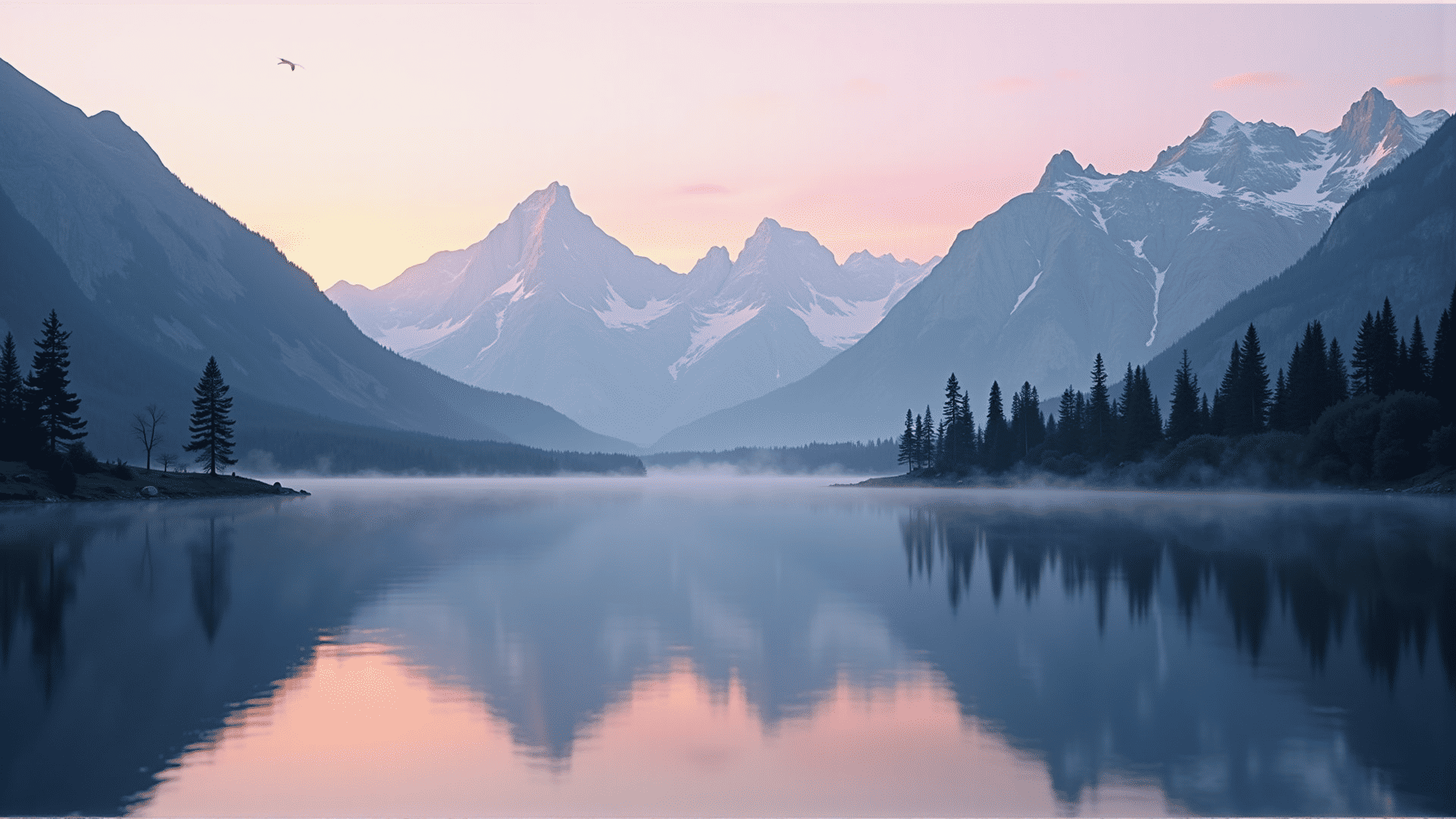
Nature photography is an enriching way to connect with the environment while capturing its captivating allure. This form of photography celebrates the diverse beauty of our planet, from sweeping landscapes to intricate close-ups of flora and fauna. Whether you are an amateur or a seasoned photographer, there are numerous techniques to elevate your nature photography skills.
Understanding Light
The foundation of any photograph, light, plays a critical role in nature photography. The golden hours just after sunrise and just before sunset provide soft, warm light that enhances the subject's natural beauty. Pay attention to how light interacts with your surroundings, casting shadows and highlighting textures, to add depth to your photos.
Composing Your Shot
Effective composition draws viewers into the photograph and tells a story. The rule of thirds is a classic guideline that suggests dividing your image into nine equal parts and placing key elements along these lines or at their intersections. Experiment with different angles and perspectives to find the most compelling composition. Leading lines, such as pathways or streams, can guide the viewer’s eyes through the image, making it more engaging.
Capturing Details
While wide shots of landscapes can be breathtaking, don't overlook the smaller details. Macro photography allows you to explore intricate patterns and textures, providing a fresh perspective on nature's intricacies. Pay attention to elements like dew on leaves, the patterns in bark, or the delicate structure of a flower.
Harnessing the Power of Patience
Nature photography often requires patience and perseverance. Wildlife, in particular, can be unpredictable, demanding that photographers wait for the perfect moment. Invest time in observing your environment, as understanding animal behavior can lead to more successful and impactful images.
Utilizing Proper Equipment
While you don’t need the most expensive gear, using appropriate equipment can enhance your photography. A sturdy tripod is invaluable for stability, especially in low-light conditions or when capturing long exposures of waterfalls or night skies. Lenses with different focal lengths offer flexibility, enabling you to capture vast landscapes or intimate close-ups.
Post-Processing Techniques
Editing is an essential part of modern photography, helping to enhance the natural beauty captured in your shots. Subtle adjustments in contrast, brightness, and color balance can significantly impact the final image, but aim to maintain the integrity of the original scene. Use software tools to fine-tune your composition, correct lens distortions, and remove any distracting elements.
Respecting the Environment
Ethical nature photography involves being mindful of the impact one has on the environment. Always follow guidelines to ensure that your photography practices do not disturb wildlife or harm their habitats. Respect the natural world, and leave no trace behind.
By applying these techniques and embracing the wonder of nature, photographers can create stunning images that reflect the beauty and diversity of the world around us. Each photograph becomes a celebration of life, encouraging others to appreciate and protect our natural environments.