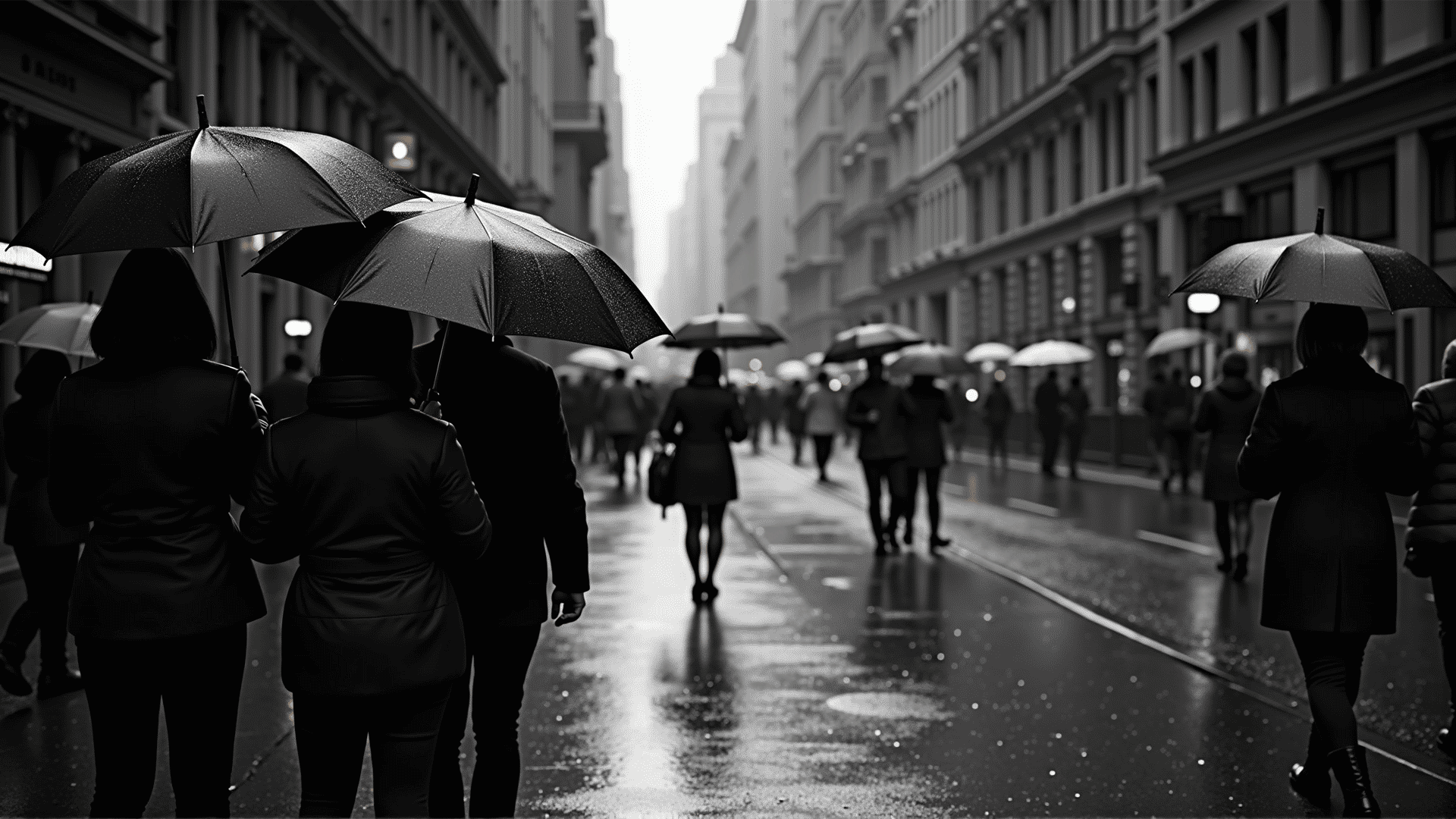
The art of black and white photography is a timeless endeavor that transcends the vividness of color to highlight a world rich in contrast, depth, and emotion. Without the distraction of hues, photographers can focus on the fundamental aspects of light, shadow, and composition to tell their stories.
Seeing in Shades of Gray
Understanding black and white photography starts with learning to visualize the world in shades of gray. This involves training the eye to interpret colors as their monochrome equivalents, paying attention to tones and contrasts. What often appears as mundane in color can transform into a gripping narrative when distilled into black and white.
The Dance of Light and Shadow
Light and shadow play a pivotal role in black and white photography. The absence of color demands that photographers use these elements to create mood and emotion. Harsh shadows can evoke drama and tension, while soft lighting might lend a sense of tranquility. Through careful manipulation of these elements, photographers can guide the viewer's eye to the focal points of the image and highlight the subtler nuances of the subject.
Composition and Texture
Black and white photography emphasizes the importance of composition and texture. Without color to influence the image, composition must be compelling. Leading lines, symmetry, and patterns become more pronounced in monochrome, offering a structured foundation for the image. Texture, too, is accentuated—wrinkled skin, weathered wood, or the ripple of water become vivid storytelling tools.
Capturing Emotion
The true power of black and white imagery lies in its ability to capture raw emotion. Stripped of color, the human face becomes a canvas of unguarded expressions, each line and contour telling a part of a larger story. Photographs that might seem busy or cluttered in color can reveal profound simplicity and emotion in black and white, allowing the viewer to connect on a deeper level.
Practical Techniques
-
Use Filters: Filters can enhance the contrast between different colors when converted to black and white. For instance, a red filter will darken a blue sky, creating a dramatic backdrop.
-
Shoot in RAW: This format preserves the complete range of tonal detail, providing more flexibility during the editing process.
-
Post-Processing: Editing software can be instrumental in fine-tuning the contrast, brightness, and sharpness of an image to achieve the desired effect. Adjusting these elements enables photographers to enhance the narrative their image conveys.
The Timelessness of Monochrome
Black and white photography maintains a unique place in the world of art by offering timeless imagery that evokes nostalgia, immediacy, and emotional resonance. Photographers continue to gravitate toward this style to peel away the layers of reality and express the core of the human experience.
In conclusion, black and white photography is not just an absence of color, but a distinct art form that invites both photographers and viewers to see the world through a lens of contrast and emotion. It challenges one to appreciate the richness of details and the stories that unfold when we narrow our focus to the spectrum of gray. Whether capturing the gritty texture of an urban landscape or the subtle emotion in a portrait, black and white photography endures as a powerful tool for artistic expression.